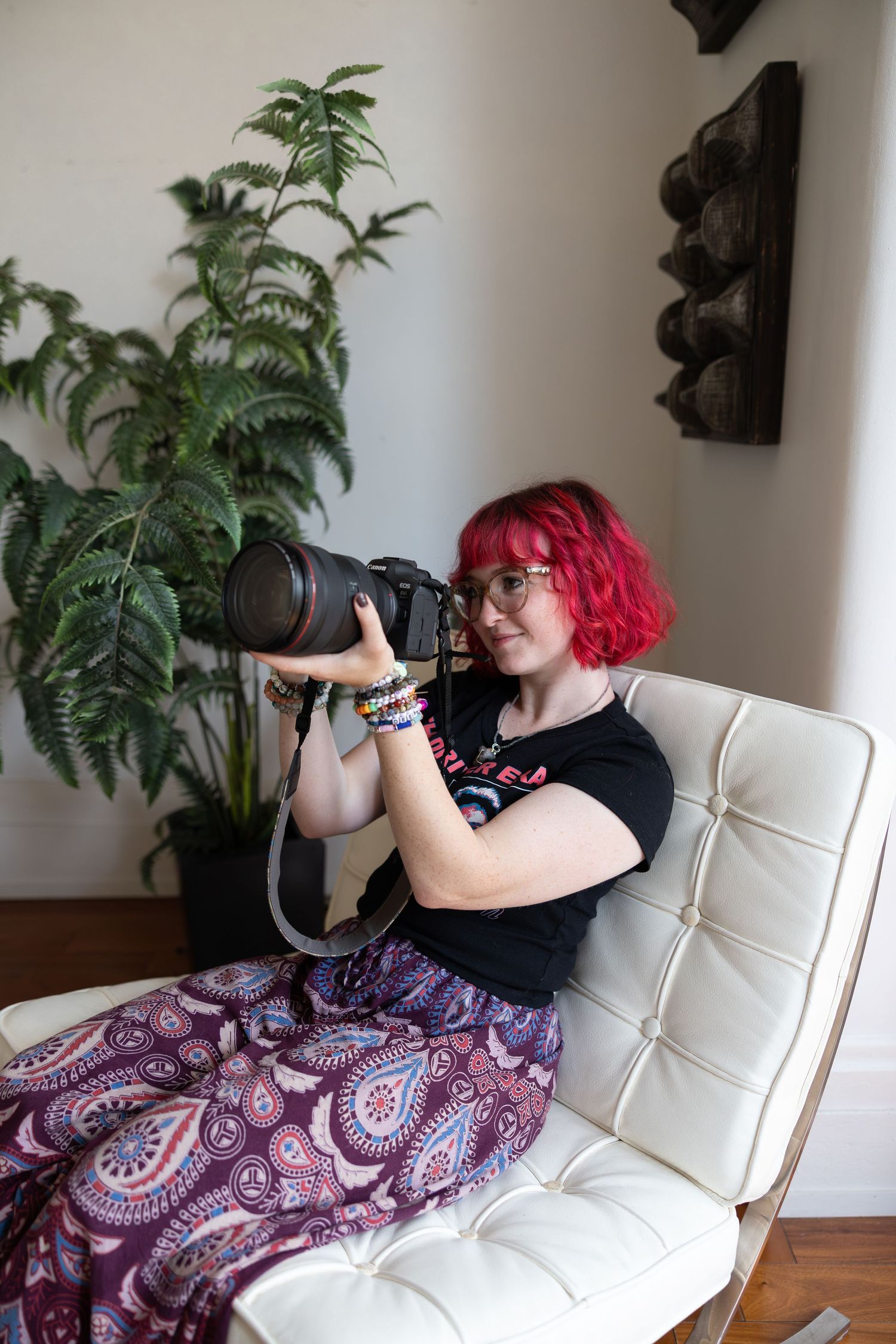
4 Minute Read — This is by no means my best writing; I sat down at a dining hall for a full day and wrote out my thoughts after a negative interaction. I decided I wanted to clean it up and post it as an imperfect, vulnerable discussion of my experience with an autism diagnosis. I want to thank Maddee for being the reason I was comfortable seeking out a diagnosis, and I want to thank my mom for being open-minded and patient with me. I hope you enjoy the reading.
Growing Up
Throughout my life, I have always known that something was wrong with me. My classmates would say I was too bossy, and I would cry daily over the slightest thing. My mom chalked it up to me being spoiled; my teachers said that I was disruptive. I would spend recess alone and was rarely invited to birthday parties. By high school, friend groups were solid, and people found their people—the ones who made them feel safe; meanwhile, I was still wondering why I couldn't keep a friend for longer than a year.
I’ve heard every joke possible about my sensory issues; it was treated like a quirky trait of mine. I would have breakdowns in the middle of Walmart because I hated how the seams of my socks felt. My family would tease me for my "autistic feet" and for my food palate limited to chicken tenders and fries. I was pressured to try new foods and sauces, to be less "picky," and it felt like I was expected to change what I couldn’t control. Their solution was always the same: stop being dramatic, grow up.
Those I considered friends turned out to be the same people who bullied me. I wondered how they were able to take advantage of me for so long without me realizing how two-faced they were. I started confiding in Maddee—my only long-term friend at this point—about the issues I was having. She was a diagnosed autistic, and she brought up the idea that maybe I could be on the spectrum. My family did not quite understand mental illness, so I kept this thought to myself, in fear of being judged.
Maddee’s words echoed in my mind for years, especially as I lost more friends. Each time, it was the same: I hurt someone without realizing, and by the time it was mentioned or I finally understood, it was too late. I knew I was the problem, but I didn’t know why and didn’t know how to fix it.
The Tipping Point
I started college as a music performance major, excited to study what I loved and choose my own schedule. The expectations of the major included classes from 8:00 a.m. to 6:00 p.m., followed by at least two hours of practice. I quickly lost motivation, overwhelmed by the constant pressure. The thing that I once loved no longer had any appeal. I was told, “It’s just part of the major,” but I couldn’t shake the feeling that getting by was much harder for me than for everyone else.
Feeling hopeless, I dropped classes and switched majors to zoology for the next semester. I entered the new semester with cautious optimism, but once again found myself feeling overwhelmed. I struggled with the thought of spending four years in college taking classes I hated, only to work a 9-to-5 job until retirement. People joke about not being made for a 9-5, but for me, it felt true in a way I couldn’t explain. Everything—school, friendships, just existing—always seemed more complicated for me than for everyone else.
One night during freshman year, I had a breakdown in my car over something that shouldn’t have been nearly as affecting as it was—my boyfriend at the time cancelled plans the night before. There was no fight, and I wasn't upset with him. I was aware of my overreaction, but my emotions felt huge. I hated myself for feeling this way, but I didn’t know how to stop. Maddee’s words suddenly rang louder than ever in my mind.
That week, I had counseling and started a list in my notes app of all of the things that bothered me about myself. I filtered through my list and created a new note, a bullet list of autism indicators. I read it to my therapist, and I will never forget her next words to me:
"I could see that."
I felt an immediate weight lifted off my chest. I finally felt like I was closer to figuring myself out. That same day, I scheduled an evaluation and brought my list to my mom. My hands shook as I read it to her, asking her to just listen. She had a lot of questions, but I told her there was no harm in being tested—even if it turned out I was wrong.
Diagnosis
On Sept. 22, I returned for my final appointment to learn the results of my evaluation. She read the paper aloud to my mom and I. I made myself nervous with my own thoughts.
Either answer felt heavy. If I were diagnosed, I’d be officially autistic—with all the stigma attached. If I weren’t, there was still no explanation for why I felt so different—just the feeling of being inexplicably "odd," without answers or a path forward.
She read the paper of her findings until she got to the bottom of the first page.
"You fit the criteria for Autism type 1."
She kept reading, listing every flaw the tests uncovered. Not a situation in which I should have been smiling, but I sat with a smile on my face for the rest of the appointment.
"She appears to expect that she will lose support from those who have provided in the past. Her significant relationships are seen as increasingly insecure and unreliable, which can lead her to react in a moody and withdrawn manner..."
All I could focus on was finally having an answer. I watched my mom as she started connecting the doctor’s words with moments from my childhood.
Aftermath
* For clarification, I have no issue with those who self-diagnose after doing research; that's the first step to getting an official diagnosis. In this next section, I am explicitly referring to the people who lack the research and traits to label themselves as autistic properly.
When my diagnosis was confirmed, I was relieved—I finally had an answer. Still, I wasn’t prepared for the immediate backlash when I shared my diagnosis. One of the first comments I received after talking about my diagnosis was, "Horrendously bad time to be diagnosed in America, why would you want that label right now?"
I was baffled, unsure how to respond. What should have felt like validation was tainted by judgment. This question might have been harmless if it were genuine curiosity, but it wasn't; it was meant as an insult. I’ve been aware of the stigma around autism, but experiencing it firsthand felt much harsher.
They suggested I was naïve for letting the diagnosis be added to my chart. Comments like these highlight privilege; there’s privilege in never needing a label, in never having to fight for answers. I’m aware the system is flawed—on the day I was diagnosed, Trump claimed Tylenol causes autism. Still, people often forget that not everyone can remain undiagnosed.
Attitudes about diagnosis have changed, especially as self-diagnosis becomes more common. As more people self-diagnose or give themselves the label to stand out, it adds to the stigma and spreads misinformation. Often, the same people who say everyone is autistic and encourage self-diagnosis also criticize those who seek an official diagnosis. Even after only two days, I have had self-proclaimed autistics reach out to me in a similar manner as the person quoted. When people claim the label without really having the condition, it creates a gap between neurotypical and neurodivergent people. Many neurotypicals think everyone wants a diagnosis to be different, and that belief is part of why it took me so long to get diagnosed.
Even if my diagnosis sets me apart, I finally feel understood. It doesn’t erase my past, but now I know why I struggle; it allows me to get help and to start healing. I have lived my entire life being the kid no one wants to be around. The kid who is stubborn and bossy. The kid who cries over nothing. The dramatic girl. I knew I was different, and those around me made sure I never forgot. Judgment comes easily to those who’ve never had to feel this way. That judgment is a kind of privilege; it showed in the girl who bullied me while pretending to be my friend, telling me I deserved it because I was "easy to talk about."
Though this has mainly been a rant to myself, if you take away anything from this story, let it be that compassion matters. A diagnosis doesn’t define anyone, but understanding and acceptance can change everything. Self-acceptance is hard—judgment makes it harder. Be kind to those around you; you never know their struggles.
